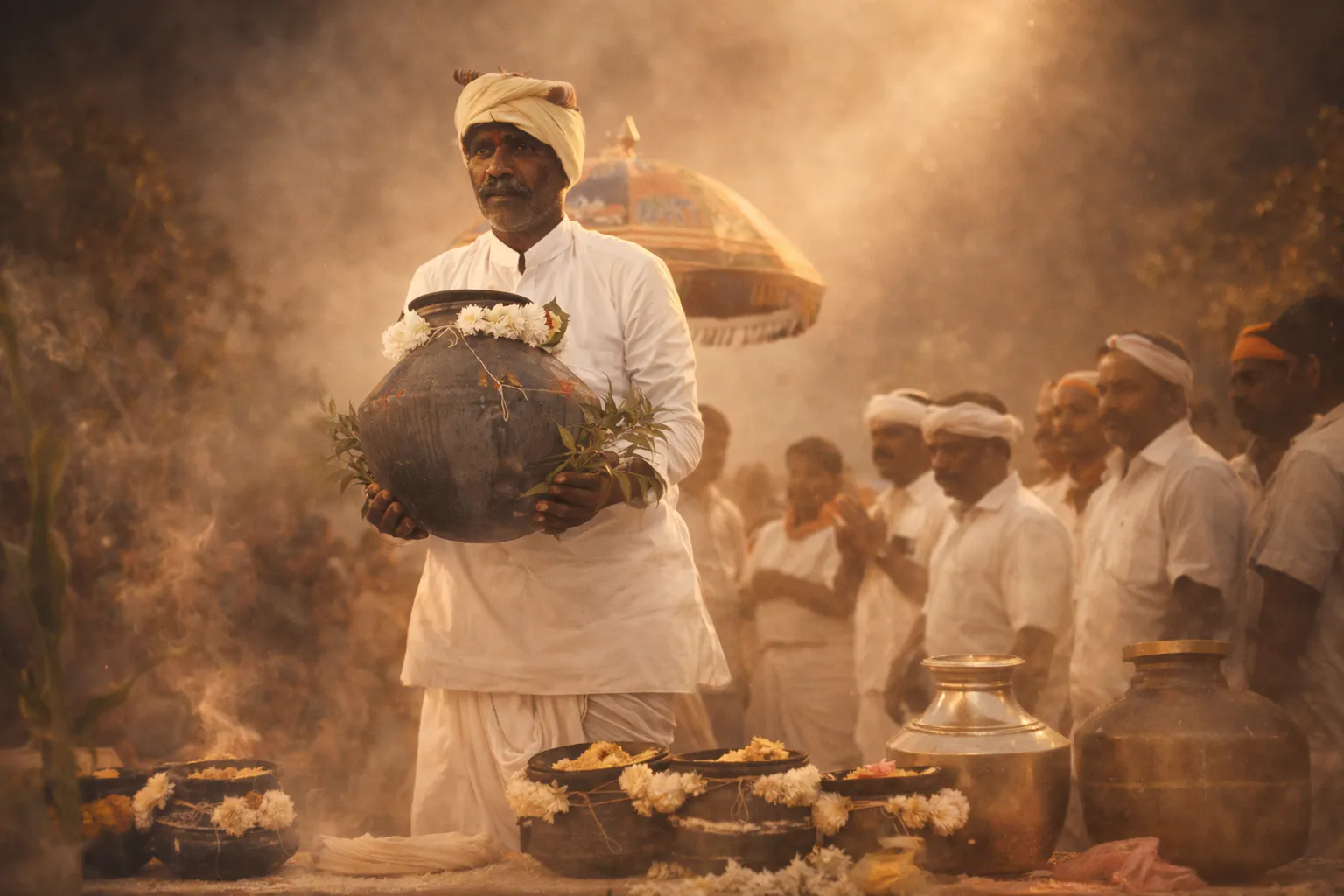
ಶ್ರೀ ಸುರಗಿರಿ ಶಕ್ತಿ ಪೀಠಂ
Sri Suragiri Shakti Peetam
About Suragiri Sri Kshetra

Divine Inscription
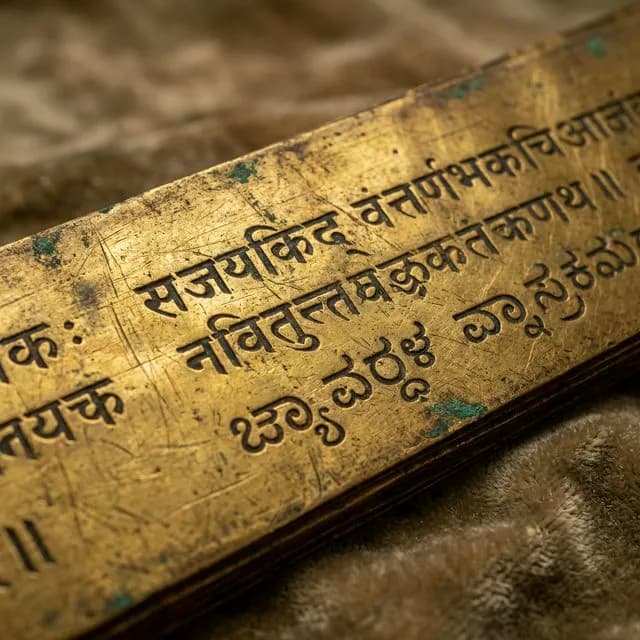

In the undivided continent of Asia, in the land of Bharata, in the northern region of Karunadu—the land of five rivers: Bhima, Doni, Krishna, Malaprabha, and Ghataprabha—on the northern left bank of the flowing Ghataprabha river, amidst the sprawling range of hills and on the peak of the valleys, the seat of Mother Bhuvaneshwari has been established since Vedic times amidst the five sacred anthills on Suragiri. This hill range, known as Suragiri, was a dense forest filled with rows of Sandalwood, Muttuga, Dindala, Honnavare, Neem, Belavala, Bellada, Honge, Hulugali, Kavali, Kari, Tugali, Tumbari, Masyala, Halugatti, and other trees. Adorned with various flora such as wild jasmine, needle jasmine, Sugandhi, Tottila, and Amrutaballi, it resonated with the melodious sounds of peacocks, parrots, crows, cuckoos, and kingfishers, along with the murmuring of water springs flowing through the valleys. The forest area was alive with the buzzing of bees, monkeys playing in the trees, and the movement of animals like tigers, hyenas, leopards, wolves, foxes, deer, antelopes, snakes, mongooses, and monitor lizards. In the midst of such forest wealth, with the triumphant chants of mantras from the sacrifices and havans of sages and ascetics, it was as beautiful and awe-inspiring as heaven on earth. In this sacred place, the forest deity and protector of Suragiri, Sri Suraksha Devi, reigned supreme. It was a holy land where sages, ascetics, and seekers worshipped daily with chants of homa, havan, mantras, and shlokas, witnessed blissfully by all celestial beings. In the Treta Yuga, Sri Rama and Lakshmana, while wandering in search of Sita, performed the Shokanivarana Yaga on the Suragiri hill and fulfilled their desires. It is a great holy place sanctified by their sacred footsteps. In this holy land, seven demons named Anaga, Sunaga, Tumba, Tola, Heraka, Jana, and Arakara were born to the mother known as the "mother of seven children." They performed penance to Brahma and obtained the boon of being unconquerable warriors. Arrogant with this boon, they began disrupting sacrifices, yagas, homas, and havans, and committed atrocities against sages and ascetics. Seeing this, the forest deity Mother Suraksha Devi warned them several times, but when they ignored her, the Goddess entered into a fierce battle and annihilated the demons. Although her form was altered in the battle, she destroyed them with the resolve to protect Dharma and then departed. Following that, the meritorious activities of sacrifices and yagas remained dormant in this holy land.
Ages passed. The memories of the services performed in this holy land faded as it fell into the grip of the Kali Yuga. Seeing the plight of this land drowning in the world of illusion, Mother Adi Shakti desired to reappear in her incarnation as Sri Bhuvaneshwari to restore its past glory. For the performance of her divine services, she chose a spiritual son to be born into the humble family of Alagundappa and Mother Gangamma on Monday, July 15, 1991 (Shalivahana Shaka 1913, Vikrama Samvatsara, Shukla Paksha Chaturthi, Megha Nakshatra). After the boy Lakshmana reached twelve years of age, she drew him toward her service. On Wednesday (Bakrid 2003, Shalivahana Shaka 1924), she appeared to him in her full glory, spoke to him, and revealed all that was to happen in the future. The Goddess asked, "Child, if you serve me, I will give you whatever you seek." The young Lakshmana replied, "Lokaah Samastaah Sukhino Bhavantu. Let all living beings in the world be well. O Devi, food to eat and clothes to wear are enough for me. If you establish yourself here to grant the boons of the devotees who trust in you for as long as the sun and moon exist, I ask for nothing but the fortune of serving you forever." The Goddess blessed him, saying, "Your wish shall be fulfilled. As soon as the sun sets, climb the hill; a lamp will be burning in the middle of the five sacred anthills. That is the sign of my presence. Build a temple for me there." On Saturday, Ugadi Padya (Shalivahana Shaka 1937), the Goddess appeared in the form of light in the anthill, astounding the gathered devotees, and the ground-breaking ceremony for the temple was performed. Through the contributions of devotees, the temple was built; through Kumaraswamy Sudhakara of Kumbakonam, the gopura was completed. She blessed the people of Kundaragi, the land of blankets, and filled the laps of the devotees. She commanded that the Arati should come from the family of the village headman (Gowda). To commemorate the continuous service of the devotees from the land of blankets, the "Kambali Katte" was established. She instructed the water-bearers to bring river water to purify the courtyard and promised to visit them once a year, becoming the Mother (Ambe) for the fishermen (Ambigas). She called upon Shamanna, the son of the noble devotee Thimmappa Mudakannavar, clothed him in a sacred garment, and he served faithfully according to the Mother’s divine words. She blessed his home and commanded that "Ambali" (sacred porridge) be brought from that family every Friday, through which she cures all diseases, standing as a Kamadhenu and Kalpavruksha. At the Shri Kshetra Suragiri hill, people of all faiths serve together without discrimination, making this sanctuary of Adi Shakti a foundation for communal harmony and devotion.
Following the orders of the Dharmapeetha of the Shri Kshetra, the installation of the idol began under the divine presence of His Holiness Shri Shri Shri Vishwanath Devaru of Charantimath, Kundaragi, and the Dharmadhikari of the Shri Kshetra, His Holiness Shri Lakshmana Sharana. This commenced on Monday, Bhadrapada Shukla Chaturthi (Shalivahana Shaka 1941, Vikari Samvatsara), with the observance of a two-mandala (48-day) puja. The Mother commanded that the main Kalasha should come from Shri Veerabhadra of Godachi, along with nine wooden Kalashas, and Kalashas containing water from five rivers, five sacred ponds, five types of milk, honey, turmeric, vermillion, and cow-urine, accompanied by 480 medicinal herbs and Kalashas from twenty-one villages and a thousand married women. She foretold that the people of the Kundaragi region would celebrate this Mahakumbhabhisheka. In the presence of the two masters, the botanical garden and Goshala were inaugurated by the holy hands of Shri Siddheshwar Yogi of Jnanayogashram, Vijayapura. The Purana concluded with the divine discourse of Jagadguru Dr. Chennasiddharama Panditaradhya Shivayogi Shivacharya Mahaswami of Shreeshaila Peetha. From Wednesday, for five days, Homas and Havans were conducted by Acharya Bharadwaja of the Tirupati Tirumala Kshetra. On Sunday, during the Brahmi Muhurta (Krishna Paksha Tritiya, Punarvasu Nakshatra), the idol of Mother Bhuvaneshwari was consecrated and the Mahakumbhabhisheka was performed by the holy hands of Jagadguru Shuddhalinga Rajadeshikendra Shivacharya Bhagavatpada Mahaswami of Ujjayini Peetha and Shri Lakshmana Sharana. Following the command of the Mother, it was decreed that a Mahakumbhabhisheka be held once every term (Patta) along with another Mandala Puja. The Goddess continues to bless those who believe in her, providing for all and wishing for the well-being of every living being. This entire history was documented through Panduranga, son of the devotee Sidramappa Poojari, as revealed by the Goddess herself during a state of Brahmi Yoga to ensure that future generations of devotees may know her story.
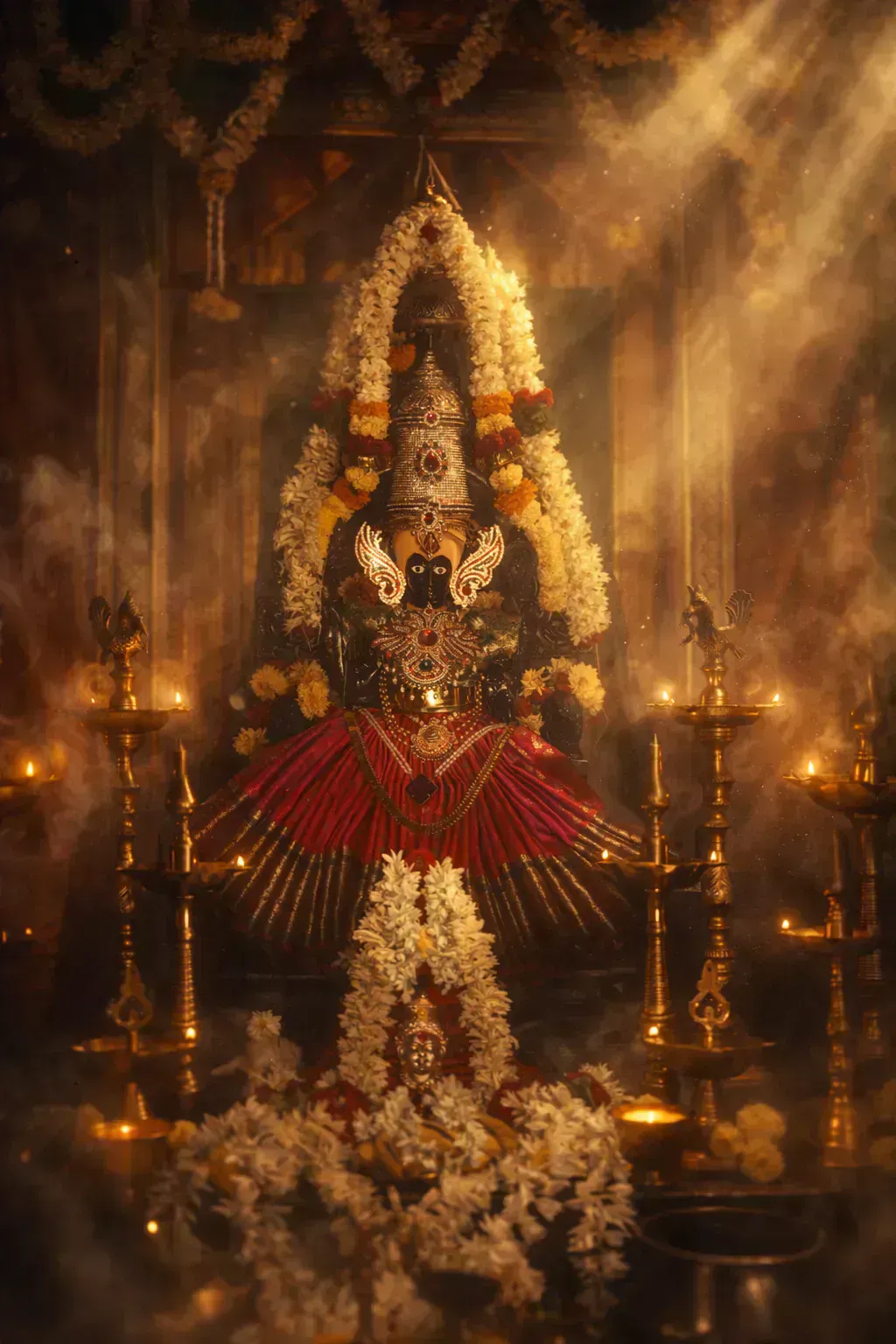
Sri Bhuvaneshwari Devi
"Om Hreem Shreem Kleem Bhuvaneshwaryai Namaha"
"Om Shri Sarva Shaktiye Namaha, Om Shri Suragiri Deviye Namaha"
Biography of the Dharmadarshi
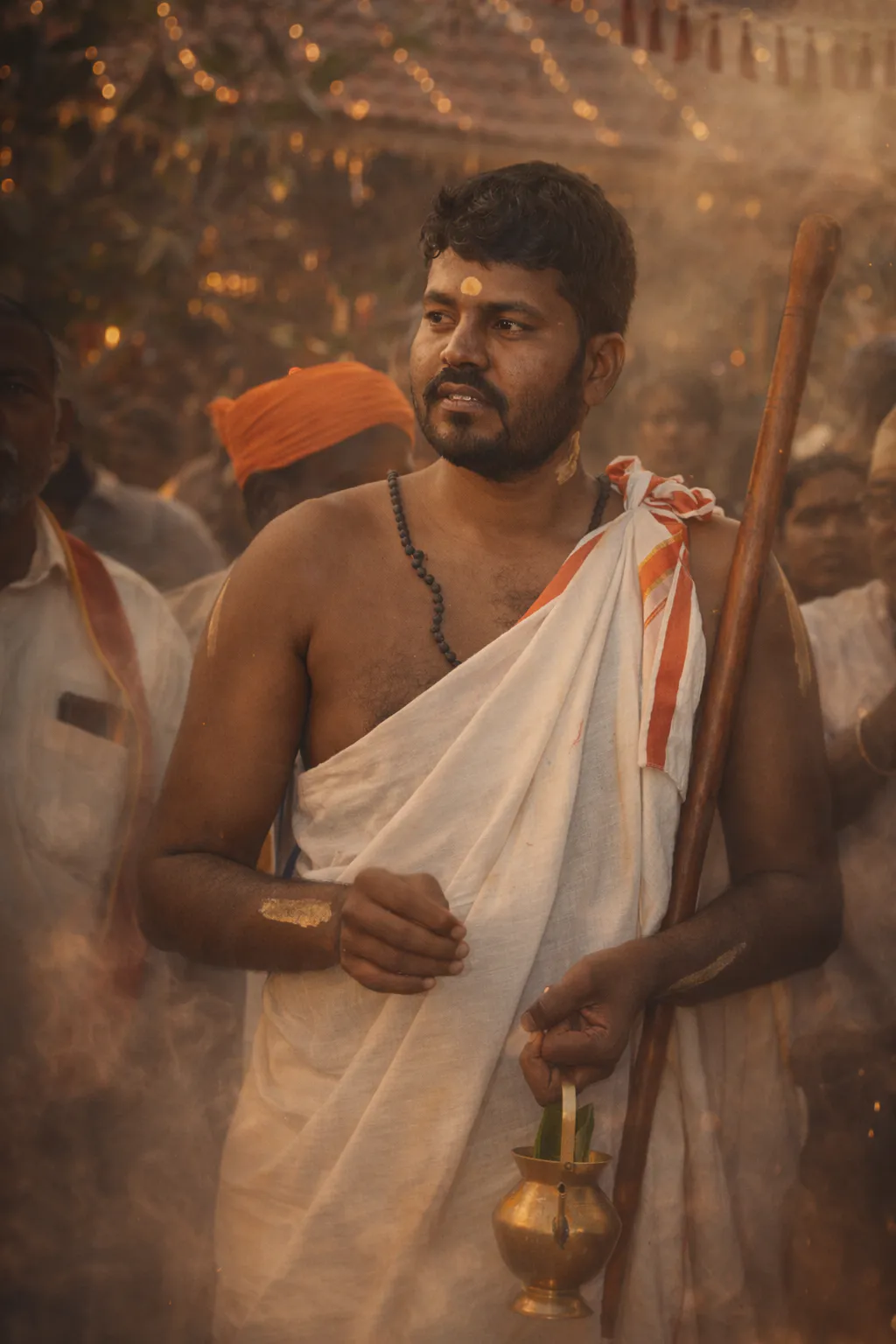
Special Ambali Prasadam